Services · Web 3D
Websites people want to explore.
3D landing pages, product configurators and scroll animations that tell your product’s story — without trading away speed or SEO.
An interactive 3D website presents your product or story through a 3D scene that runs right in the browser, with no plugins.
Details
Bitnoda builds these sites with three.js, TresJS, GSAP and Blender models, while keeping the pages pre-rendered, fast and indexable.
Who it’s for
- You sell a physical product — houses, furniture, equipment — and want people to rotate, take apart or configure it in the browser.
- You’re launching a product or a campaign and need a page that stops people mid-scroll.
- You have a product configurator in mind: variants, materials, sizes, with the result visible instantly.
- You want a brand or cause website people remember, without losing ground in Google.
- You already have a 3D website, but it’s slow on phones and you want it optimized.
What you get
- A 3D scene optimized for phones, with a static fallback for low-end devices
- 3D models created or prepared in Blender and compressed for the web
- Scroll animations with GSAP, synced to the content
- An interactive configurator, if the product calls for one
- Pre-rendered, indexable pages with metadata and structured data for SEO
- Performance budgets tracked throughout the project
How we work
Concept
We define what visitors should feel and what you want them to do next, then sketch the story scene by scene.
Modeling & art direction
We prepare the 3D models, materials and lighting in Blender, then optimize them for the web.
Interactive build
We build the scene with three.js or TresJS, tie the animations to scroll with GSAP and test on everyday phones, not just powerful desktops.
Optimization & launch
We pre-render the pages for SEO, load the 3D scene after the main content and check performance before launch.
Technologies
Related work

Acord Travel
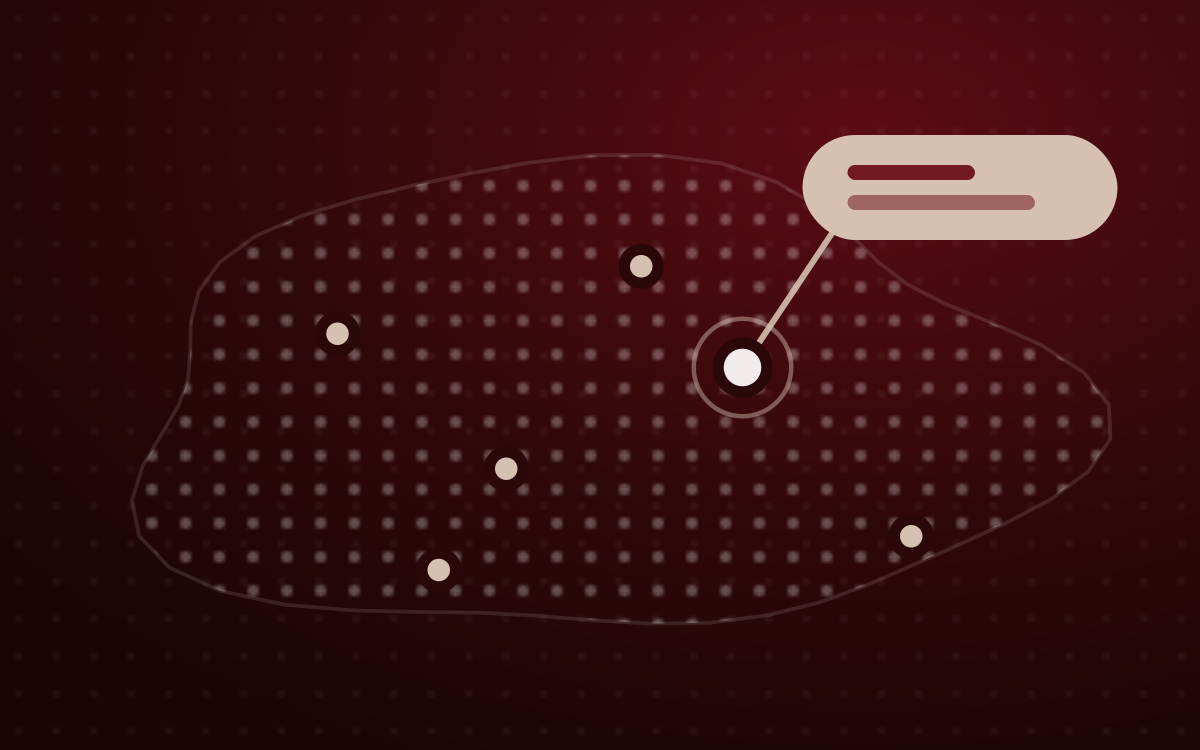
An interactive map of US jobs, a dashboard and a WordPress plugin for a work-and-travel agency.
Frequently asked questions
Does a 3D website hurt SEO?
Not when it’s built right. The text is pre-rendered as HTML, so Google indexes it like any other page, and the 3D scene loads afterwards as a visual layer. bitnoda.team itself works this way: the 3D story on the home page sits on top of pre-rendered pages.
Do 3D websites work on phones?
Yes, if they’re designed for phones from the start. We compress the models, cap the rendering resolution on low-end devices and prepare a static version for devices that can’t run the scene. Speed on a phone is a requirement, not a bonus.
Do I need a 3D model of my product already?
Not necessarily. If you have 3D files, we start from them and optimize them for the web; if not, we model in Blender from photos, sketches or plans. SpaceBox, for example, uses a Blender model that comes apart piece by piece as you scroll.
How much does a 3D website cost?
It depends mostly on the models — whether they exist or need to be made — and on whether you need a configurator. The contact form lets you pick a range, from under €3,000 to over €25,000, and after the first conversation you get a detailed estimate, broken down by stage.
How long does a 3D website take?
A 3D landing page with a single scene usually takes a few weeks, while a configurator with many variants takes longer. The exact timeline depends on the models, and we set it after the first conversation.
Can I update the content after launch?
Yes. Text and images can change without touching the 3D scene, and the code and models made for you are yours. If you prefer, we handle updates and maintenance, for clients in Romania, the Republic of Moldova or anywhere else in the EU.
Other services
Complex web platforms
Marketplaces, portals, SaaS products and internal dashboards — with accounts, roles, payments and integrations.
Dedicated development team
A founder who leads the technical side, collaborating developers who join as the project needs, and a single point of contact.
Desktop apps
Native tools written in Rust — fast, offline-ready, with the data kept on your own machine.
Nuxt & Vue development
Web apps and websites in Nuxt and Vue 3: server-rendered or pre-rendered, typed end to end, fast and indexable.
Laravel development
Laravel apps with Livewire and Filament: online shops, admin panels and card payments through maib, Netopia or Stripe.
Shopify development
Custom Shopify themes written in Liquid, with local card payments, reviews and email marketing connected.
3D product configurators
Browser-based 3D configurators built with three.js and Blender models: rotate, take apart and customise a product.